



WHAT CONCEPTS SHOULD YOU KNOW AS EDUCATOR?
As a trainer, it is important to understand that culture is a multi-layered concept. Things like food, language and clothing are just the most visible elements, but the deeper parts of culture include values, beliefs, customs, and social rules that influence the way people think and behave. Therefore, your role is to guide learners to see how these hidden layers affect their own identity, making culture a crucial part of who they are. 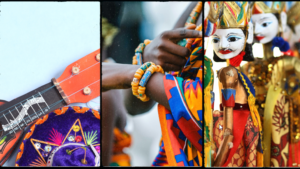
How can you explain it to the students?
You can start with a simple question: “What makes you, YOU?” You can then introduce the idea that our identity isn’t just about our unique personality or interests. It is also shaped by the things we see and do every day: our family’s traditions, the stories we hear, the music we listen to, and even the rules we follow at home or at school: all these things shape our culture. Explain that culture is a bit like a personal “toolkit” we use to understand the world and connect with others.
Activities
Create your own “cultural suitcase”
Each student decorates a small box, bag, or sheet of paper with drawings, photos, or objects that represent who they are, their family, and customs. When ready, the students present their own suitcases in pairs asking questions to understand why those objects represent themselves.
Example:
- Elena draws her grandmother’s pasta dish, a picture of her volleyball team and a guitar.
- Kamal paints a henna design and a song his parents play at family events.
Explanation:
Culture is more than just the place where we come from. It’s an active part of our daily lives, influencing our hobbies, our tastes, and the things we love. By sharing our “cultural suitcases”, we can understand that our identity is a mix of personal choices and the traditions we grew up with.
Individual Activity
- Make your “cultural suitcase” using a small box, paper bag, or drawing.
- Add at least 3 things that represent you.
- Present your suitcase to a partner or the class.
Tips for Teachers:
Encourage students to use a mix of images, words, and symbols. If a student is shy or cannot bring objects from home, allow them to draw or describe them.
Key Message:
Culture is a multi-layered concept. It is what makes us ourselves.